Why are flamingos pink? Picture courtesy Resmi Varma Actually, flamingos are born with grey feathers, which gradually turn pink. The pink colour of flamingo feathers is caused by the presence of carotenoid pigments found in the algae and crustaceans that make up the diet of a flamingo. Picture courtesy Resmi Varma For a long while, flamingos in zoos kept losing their delicate pink colour and fading to white.Then keepers realised the problem was due to their diet. Flamingos feed on a certain kind of algae and these algae contain certain chemicals called carotenoids that are responsible for the pink. If a flamingo does not get these algae, it does not get the carotenoids and its colour fades. The quantity of carotenoids that flamingos eat determines how pink the bird will be.
Poisonous birds! Yes, they exist. Hooded pitohui the only known bird to be toxic, Picture courtesy Google images There are many poisonous insects and reptiles all over the world. But have you ever heard of a bird that can be poisonous? If you ever visit the forests of New Guinea, and you come upon a beautiful orange and black hooded pitohui bird, just enjoy its singing from a distance. Do not attempt to handle it. This bird is better off in the bush than in the hand The Hooded Pitohui (pronounced pit-o-hooey) is a songbird found in the rain forests of New Guinea, an island which lies in the South Pacific Ocean to the east of Indonesia. There are around six species of Pitohui of which the Hooded Pitohui is the most deadly. Declared to be the ‘Most Poisonous Bird’ by the Guinness Book of World Records, it was discovered in 1989 by an American biologist Jack Dumbacher who was netting birds in New Guinea. In 1989, Jack Dumbacher travelled to the Papua New Guinea bush in search of birds...
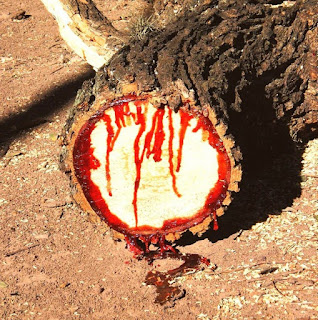
Bloodwood Trees There are actually trees that bleeds when cut down like humans. These trees may look like normal trees - but once cut, they "bleed”. Picture courtesy Google images The Desert bloodwood tree (Corymbia Opaca) the African wild teak tree (Pterocarpus Angolensis) and the Dragon blood tree, (Dracaena Cinnabari) each produce a dark red liquid that looks disturbingly like blood. Therefore, these trees have become commonly known as bloodwood trees Actually. the "blood" seeping out of a damaged bloodwood tree isn't blood – but the red sap that the trees produce when cut, bears a shocking resemblance to human blood. The bloodwood trees get its name fro...


Very informative, thanks! Alexandra
ReplyDeletegood one
ReplyDeleteGood to know!
ReplyDelete